


Lernix - AI Language Tutor
4.250.00 Reviews
App Specs
- Version
- 2.5.0
- Updated On
- License
- Free
- Downloads
- 5,000,000+
- Developer
- AppLock Inc.
- Categories
- Education
- Platform
- Android
Screenshots

 Analysis by AppCompare
When I want to make language practice feel less like another item on a to-do list, I look for something that lets me try, make mistakes, and try again without much fuss. Lernix - AI Language Tutor is an education app from AppLock Inc. that puts AI-supported tutoring and speaking practice at the center of its approach. It is free to install, rated for Everyone, and has a 4.2 average from around 23,000 ratings, with over 5 million installs. Those figures suggest it has reached a broad audience, but the more useful question is whether its style suits the way you want to learn.
Getting Started with Lernix
The first thing that struck me about Lernix - AI Language Tutor is its sleek and intuitive interface. Setting it up was a breeze. After downloading the app, I was prompted to select the language I wanted to learn. With a variety of options ranging from Spanish and French to Japanese and Korean, the app caters to a wide audience.
Once I picked my language, I was taken through a brief assessment. This step is essential as it helps the app tailor lessons to your current level, ensuring that you neither feel overwhelmed nor under-challenged. The AI component of the app truly shines here, adapting in real-time to your progress and preferences.
Interactive Lessons and Engaging Content
One of the standout features of Lernix is its variety of interactive lessons. These aren’t your typical language drills; they’re designed to keep you engaged with a mix of reading, writing, speaking, and listening exercises. The app uses gamification techniques to make learning feel less like a chore and more like a fun activity.
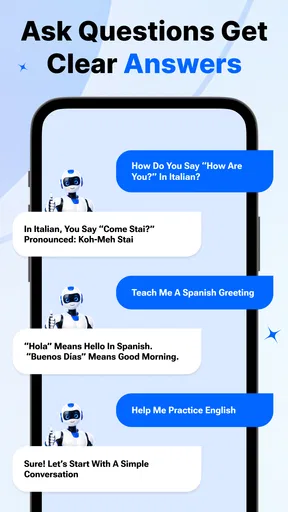
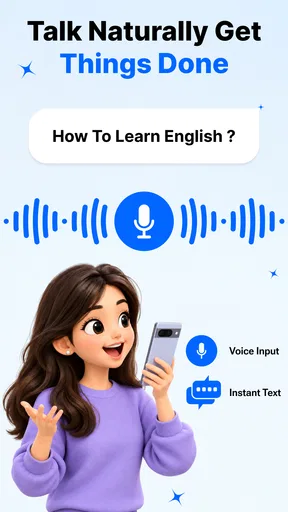
I particularly enjoyed the live conversation feature, where the AI plays the role of a native speaker, allowing you to practice your conversational skills in a realistic setting. This is a game-changer, especially for those of us who don’t have access to native speakers or language exchange partners.
Personalized Learning Experience
The personalization aspect of Lernix is another point worth highlighting. The app continuously monitors your progress, adjusting the difficulty of exercises based on your performance. This personalized approach means that every user has a unique learning journey tailored to their needs.
For instance, if you’re struggling with verb conjugations, the app will notice and provide additional practice exercises to help you master that area. On the flip side, if you’re acing vocabulary, it might push you towards more challenging words and phrases to expand your lexicon.
Worth Reading Before You Choose

EA SPORTS FC Mobile 26 Is a Bigger Football Game, but It Takes Time

Flipboard Shows What News Apps Must Do Beyond the Feed

Switching to Android Auto Means Rethinking Your Driving Routine

Google Calendar Makes a Crowded Week Easier to Manage

Ludo King Makes the Most of the Minutes Between Plans

Baby Panda World Brings Quick Play to Modern Phones, but Its Game Library Feels Busy
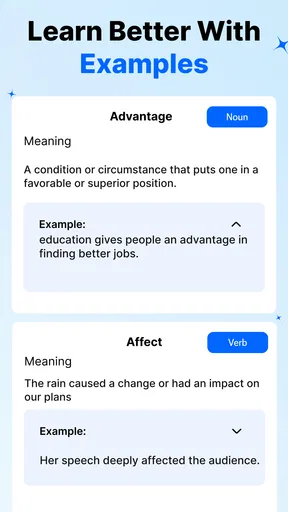
That adaptive style is most useful when I treat it as a guide rather than a guarantee. If a topic keeps resurfacing, I take that as a cue to slow down and make my own example sentences, not simply repeat the exercise until I can recognize the answer. For vocabulary, I find it more productive to connect a new word to a real situation—ordering food, asking for directions, or describing a work task—than to collect a long list with no context.
Additional Features Worth Mentioning
Beyond the core language lessons, Lernix offers several additional features that enhance the learning experience. The app includes cultural notes and trivia, giving you a deeper understanding of the language within its cultural context. This adds a layer of richness to the learning process, making it more than just about memorizing words and phrases.
Moreover, the app’s offline mode is a lifesaver for those who want to practice on the go without relying on a stable internet connection. Simply download lessons ahead of time, and you’re set to learn wherever you are.
Making Practice Fit a Real Day
A useful way to work the app into a busy routine is to give each session a small purpose. On a commute, I might focus on listening and vocabulary; later, when I have a quiet moment, I can try speaking aloud and notice which phrases still feel awkward. Before travelling, I would use a conversation exercise to rehearse a handful of practical exchanges, then revisit unfamiliar words rather than trying to cram an entire course into one sitting.
That split matters because speaking practice asks for a different kind of attention from reading. If I’m in a shared space or on a noisy bus, I may not want to speak into my phone, even if a lesson is available. A quieter setting is better for that work, while short vocabulary or reading practice can fit into spare minutes. The practical tip is to choose the exercise around where you are, instead of expecting every feature to suit every moment.
AI conversation can also lower the pressure of making an error in front of another person. I’d use it to test a sentence, try a different wording, or build confidence before a real conversation. But I wouldn’t treat a simulated exchange as a full replacement for talking with people: human speakers bring accents, interruptions, slang, and unexpected replies that a prepared practice flow may not reproduce. For learners who feel self-conscious, it is a helpful stepping stone; for learners who already speak comfortably, it works better as extra rehearsal than as the whole speaking plan.
Where It Fits Among Language-Learning Options
Compared with a conventional phrasebook, Lernix is better suited to someone who wants practice and feedback rather than a static set of translations. A phrasebook is still the quicker choice when you only need a reliable expression for an imminent situation, especially if you have no time to study. Compared with a classroom or a human tutor, the app offers a more convenient way to practise independently, but it cannot provide the same personal explanation, accountability, or insight into a learner’s particular goals.
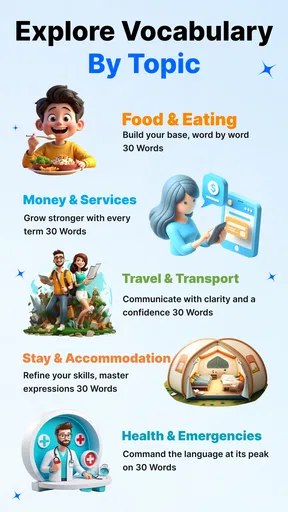
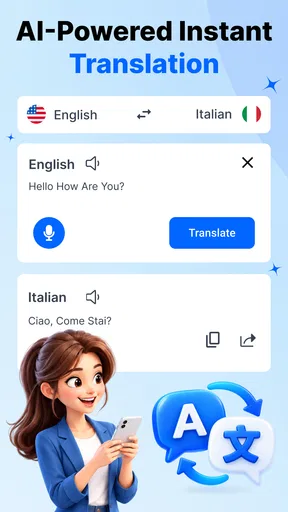
I’d see it as a useful middle ground between solo flashcard study and scheduled lessons. Its combination of language exercises, AI speaking practice, translations, and vocabulary gives a learner several ways to engage with the material. The trade-off is that a broad toolkit can encourage hopping between activities. I get more from choosing one target—such as asking a question naturally—and using the different exercises to reinforce that target, rather than tapping through features without a clear aim.
It is also worth deciding what “progress” means before starting. If your goal is to manage basic exchanges on a trip, useful signs include recalling a phrase without a prompt and understanding a response at normal speed. If you are studying for an exam or need precise professional language, I would pair the app with materials designed for that purpose and have important work checked by a qualified person. A conversational practice tool can build useful habits, but it should not be mistaken for a formal course or expert review.
Costs, Compatibility, and Everyday Friction
The app is free to get started, while in-app purchases range from $4.49 to $22.99 per item. I would check what is included in the free experience and what a particular purchase unlocks before paying, then decide whether I use those paid elements often enough to justify the spend. The listed range is per item, so it is sensible to review the purchase details in the app rather than assume one payment covers everything.
The current version is 2.5.0, and the app requires Android 8.0 or later. The release date is December 12, 2025, so it is a relatively recent product with a visible version number, but those facts alone do not show how a future release will change the learning experience. Existing users should judge any update by practical effects: whether their usual lessons remain easy to find, whether speaking practice fits their routine, and whether changes make it easier to return consistently. I would keep expectations grounded in what I can actually use today, rather than treating a version label as evidence of a specific improvement.
One point I would keep in mind with any AI tutor is that generated explanations and translations should be checked when accuracy really matters. For casual practice, an imperfect phrase can be a chance to ask a follow-up or compare examples. For a sensitive message, official paperwork, or a high-stakes conversation, I would verify the wording with a trusted source or fluent speaker. That caution does not make AI practice pointless; it simply keeps the tool in the role it handles best: helping you rehearse and build familiarity.
Likewise, beginners may benefit from the app’s guided structure, while intermediate learners may need to bring their own direction. If you already know what you want to improve—pronunciation, listening speed, or a particular set of phrases—you can make each session more focused. If you expect an app to map out every step toward advanced fluency or provide the accountability of a teacher, this may not be enough on its own. A human tutor, structured course, or conversation group can be a better main resource in those cases.
Who Is Most Likely to Enjoy It?
I think Lernix is a good fit for curious beginners, independent learners who want low-pressure speaking practice, and people who can only study in short bursts. It may also suit someone who has learned vocabulary for a while but needs a reason to form complete sentences. The AI conversation setting can make that first attempt less intimidating, while the variety of exercises gives you a way to shift activities when one kind of practice feels stale.
I would steer away from relying on it as your only resource if you need a formal syllabus, detailed human correction, or proof of proficiency. It is also not the best match for someone who dislikes interacting with AI or prefers learning from a teacher-led explanation. Those preferences are not minor; they shape whether a learner returns to an app at all. A free download is easy to try, but consistency is more likely when the method suits you.
What I’d Watch as I Keep Using It
For a newer language-learning app, the meaningful test is whether its current tools remain useful over time, not whether its feature list sounds ambitious. I would watch for clear explanations when an answer is corrected, a sensible way to revisit troublesome vocabulary, and a practice flow that helps users move from isolated phrases toward spontaneous speech. These are expectations I would use to judge future use, not claims about changes already made.
I would also pay attention to whether the app makes it easy to stay focused on one learning goal and whether the paid options feel worthwhile after trying the free experience. The key question is not how many activities are available, but whether I can return the next day and remember what I was practising. That kind of continuity is what turns a convenient language app into a useful study habit.
Wrapping It Up
In conclusion, Lernix - AI Language Tutor is a robust and versatile language-learning app that caters to learners at all levels. Its blend of interactive content, personalized learning paths, and cultural insights make it a standout choice for anyone serious about picking up a new language. The app’s AI-driven features provide a learning experience that feels tailor-made, adapting to your pace and style.
So, if you’re ready to embark on a language learning journey that’s as enjoyable as it is effective, give Lernix a try. You might just find it’s the language tutor you’ve been waiting for.
Pros
- Interactive lessons enhance learning.
- Supports multiple languages seamlessly.
- AI adapts to personal learning pace.
- User-friendly interface for all ages.
- Offline mode for learning on the go.
Cons
- Limited free content available.
- Occasional bugs in voice recognition.
- No support for rare languages.
- Requires regular updates for new features.
- Subscription model can be costly.
FAQs for Lernix - AI Language Tutor
What is Lernix - AI Language Tutor?
Lernix is an AI-powered language learning app designed to help users improve their language skills through interactive lessons and personalized practice. It uses advanced algorithms to adapt to your learning pace and style, making it suitable for beginners to advanced learners across various languages.
How does Lernix personalize my learning experience?
Lernix uses AI technology to assess your current language level and learning preferences. It then tailors lessons and practice sessions to match your unique learning style, ensuring you progress effectively. As you improve, the app adjusts the difficulty and content to keep you challenged and engaged.
Is Lernix suitable for complete beginners?
Yes, Lernix is designed to accommodate learners at all levels, including complete beginners. The app offers introductory lessons and simple exercises to help newcomers build a strong foundation before progressing to more complex topics, making it an excellent choice for starting your language journey.
What languages can I learn with Lernix?
Lernix offers a wide range of languages, including popular choices like Spanish, French, German, and Mandarin, as well as less commonly taught languages. The app regularly updates its offerings, ensuring users have access to a diverse selection of languages to explore and master.
Does Lernix require an internet connection to use?
Lernix primarily functions online to provide real-time updates and personalized content. However, it also offers offline features for practicing vocabulary and grammar, allowing users to continue learning without an internet connection. This flexibility makes it convenient for learning on the go.


